Direct Answer
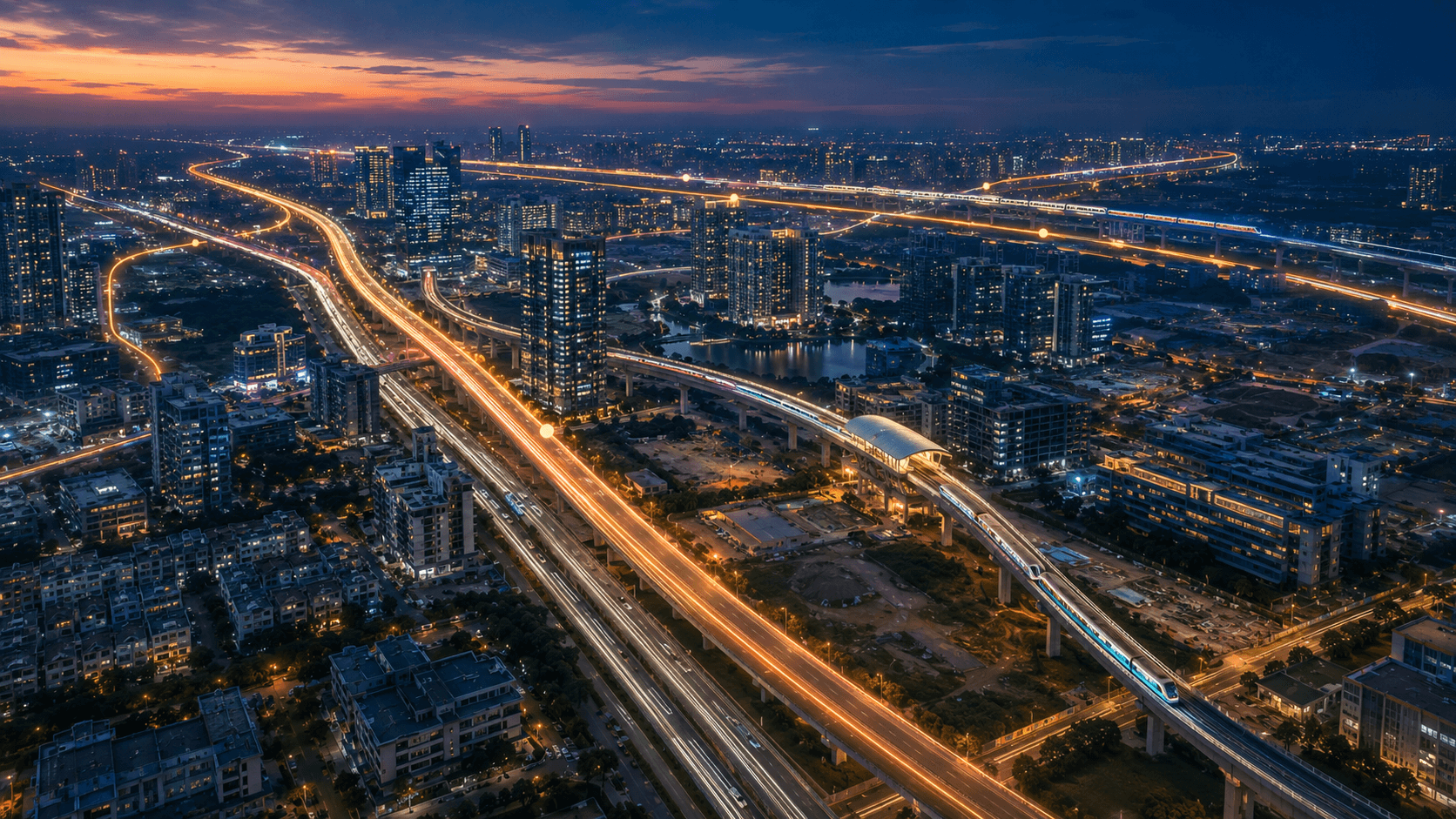
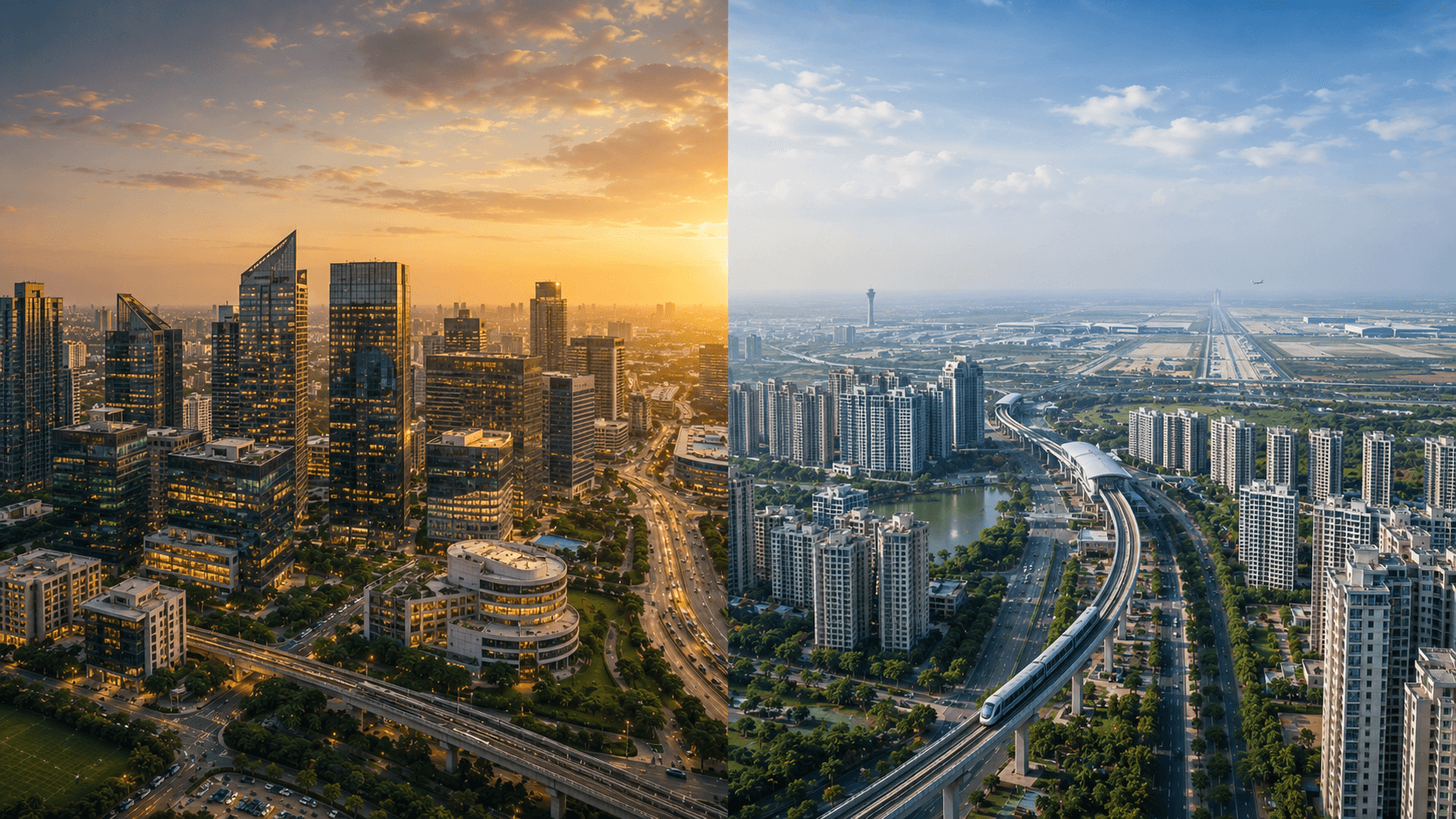
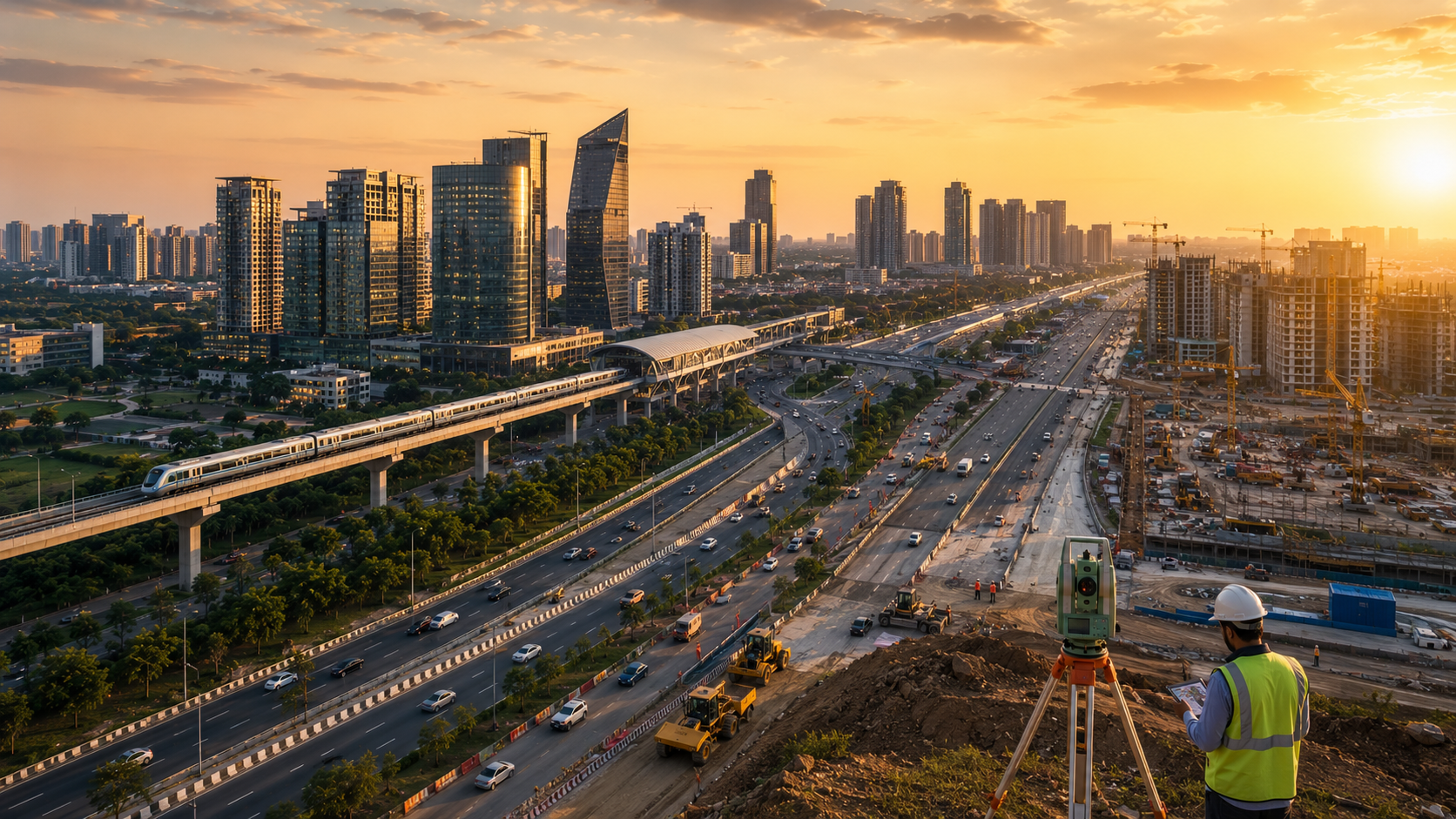
Yes, government-led urban expansion is likely to be one of the biggest forces shaping Gurgaon real estate over the next decade. Infrastructure projects, connectivity improvements, commercial hubs, and planned urban development can influence where people choose to live, where businesses invest, and which locations emerge as the city's next major residential and commercial destinations.
Why Urban Expansion Matters More Than Most Buyers Realise
When most people evaluate real estate opportunities, they tend to focus on individual projects. Buyers compare floor plans, amenities, builder reputation, and launch prices. Investors assess appreciation potential and rental prospects. While all these factors are important, they often represent only a small part of a much larger story.
The long-term performance of a location is rarely determined by a residential project alone. It is shaped by the ecosystem that develops around it. Roads influence accessibility. Metro networks improve mobility. Commercial districts create jobs. Educational institutions attract families. Healthcare facilities improve liveability. Together, these elements create demand, and demand is ultimately what drives real estate growth.
This is why government-led urban expansion deserves attention. Governments have the ability to influence where infrastructure is built, how cities expand, and which regions receive strategic development focus. These decisions may not immediately impact property prices, but over time they can fundamentally alter how a city functions.
Gurgaon provides numerous examples of this phenomenon. Several of the city's most established residential and commercial locations were once considered peripheral or underdeveloped. Their transformation was not driven solely by private developers. It was supported by a combination of public infrastructure, connectivity improvements, economic growth, and long-term planning.
As Gurgaon enters another phase of urban evolution, buyers are increasingly asking where the next wave of growth may emerge. The answer may not lie in a particular project but in understanding how the city itself is changing.
Where Gurgaon Is Likely To Expand Next
Government-led expansion does not affect all parts of a city equally. Some corridors receive greater infrastructure attention, stronger commercial investment, and more strategic planning support than others.
For buyers, the objective is not simply understanding that Gurgaon will grow. The objective is understanding where that growth is most likely to concentrate.
Several emerging and evolving corridors continue to attract attention because of their connectivity advantages, proximity to employment centres, and infrastructure development pipelines. Some are already transitioning into mature residential markets, while others remain earlier in their growth journey.
Rather than viewing Gurgaon as a single market, buyers should think of it as a collection of micro-markets moving through different phases of development.
Why the Biggest Opportunities Often Appear Before a Location Looks Attractive
One of the biggest challenges in real estate investing is that people naturally gravitate towards certainty. Buyers feel comfortable investing in locations that already have functioning infrastructure, visible demand, and established reputations.
However, by the time a location achieves widespread recognition, much of its growth story may already have unfolded.
Historically, some of Gurgaon's most successful corridors spent years developing before they became premium destinations. During those early stages, infrastructure was still under construction, commercial activity was limited, and many buyers questioned whether demand would materialise at all.
This pattern is not unique to Gurgaon. Urban expansion across major cities often follows a similar trajectory. Locations that appear ordinary today can become highly desirable once connectivity improves, businesses arrive, and social infrastructure develops.
The key lesson is not that buyers should chase every emerging location. Rather, they should understand the distinction between temporary underdevelopment and long-term structural weakness.
Temporary underdevelopment can often be addressed through infrastructure investment and urban planning. Structural weaknesses, on the other hand, are far more difficult to overcome. A location lacking meaningful employment drivers, accessibility, or long-term demand may struggle regardless of future promises.
This is why successful buyers tend to focus less on current appearances and more on the factors likely to shape a location's future. They evaluate whether urban expansion is creating the conditions necessary for sustainable growth.
The goal is not to predict the future with certainty. It is to recognise when a location is moving from possibility to probability.
What Government-Led Expansion Actually Changes
Many people associate urban expansion primarily with transportation infrastructure. While roads and transit systems are important, their influence extends much further.
Connectivity
Connectivity is often the most visible outcome of urban development. Better roads, improved transit networks, and enhanced accessibility can significantly reduce travel times and make previously overlooked locations more attractive.
Improved connectivity expands the range of locations that people are willing to consider for housing. It also increases the accessibility of employment centres, retail hubs, educational institutions, and healthcare facilities.
As mobility improves, demand often follows.
Employment Creation
No real estate market can thrive without economic activity.
Government-led development frequently creates conditions that attract commercial investment. Office districts, industrial zones, technology parks, and business ecosystems generate employment opportunities that influence where people choose to live.
Residential demand is often strongest in locations that provide convenient access to jobs. This relationship between employment and housing remains one of the most powerful drivers of urban growth.
Social Infrastructure
Families do not make housing decisions based solely on commute times. They also consider schools, hospitals, shopping destinations, parks, and everyday conveniences.
As urban expansion attracts more residents, demand for these services increases. Educational institutions, healthcare providers, retailers, and hospitality businesses respond by establishing a presence in the area.
The result is a more complete urban environment that supports long-term residential demand.
Commercial Ecosystems
A mature location is rarely defined by residential development alone. Commercial activity plays an equally important role.
Restaurants, retail centres, entertainment destinations, office spaces, and hospitality projects contribute to the overall attractiveness of a location. They create employment opportunities while enhancing convenience and quality of life.
The presence of a strong commercial ecosystem often indicates that a location has moved beyond speculation and entered a phase of sustained demand.
End-User Demand
Ultimately, long-term real estate performance depends on end-users.
Investors can create momentum, but end-users create stability. When families and professionals choose to live in a location because it genuinely meets their needs, demand becomes more resilient and sustainable.
Government-led urban expansion helps create the conditions necessary for this transition.
How Buyers Can Identify the Next Growth Corridor
While predicting future growth with complete accuracy is impossible, buyers can improve their decision-making by focusing on a few important indicators.
Look Beyond Announcements
Infrastructure announcements often generate excitement, but announcements alone do not create value. Buyers should evaluate whether projects are progressing, whether implementation has begun, and whether timelines appear realistic.
Locations supported by visible execution tend to inspire greater confidence than those relying solely on future promises.
Follow Employment Growth
Residential demand frequently follows economic activity.
When businesses establish offices, commercial districts expand, and employment opportunities increase, housing demand often strengthens alongside them. Understanding where jobs are likely to emerge can provide valuable insights into future residential demand.
Evaluate Long-Term Liveability
Infrastructure can attract attention, but liveability sustains demand.
Buyers should assess whether a location has the potential to support schools, healthcare facilities, retail destinations, community spaces, and recreational amenities. Locations that offer a balanced lifestyle are often better positioned for long-term growth.
Think in Terms of Ecosystems
Many buyers evaluate projects in isolation. A more effective approach is to evaluate the broader ecosystem.
Even a well-designed project may struggle if the surrounding location lacks supporting infrastructure and demand drivers. Conversely, a project within a growing ecosystem may benefit from forces extending far beyond its boundaries.
Understanding the ecosystem often provides a clearer picture than focusing solely on individual developments.
Why Not Every Emerging Location Becomes a Success Story
While urban expansion creates opportunities, it also creates expectations. Not every location that receives attention ultimately fulfils those expectations.
Some corridors attract interest because of proposed infrastructure but struggle to generate meaningful end-user demand. Others face delays in execution, causing anticipated growth to take much longer than expected.
Oversupply can also become a challenge. If development significantly outpaces demand, pricing growth may remain subdued despite infrastructure improvements.
Another common issue is assuming that every part of a corridor will perform equally. Micro-markets often behave differently based on accessibility, surrounding development, commercial activity, and demand dynamics.
This is why buyers should avoid making decisions solely on optimism. Urban expansion can create powerful growth opportunities, but it should always be evaluated alongside practical considerations such as demand, usability, and long-term sustainability.
Successful real estate investing is not about chasing headlines. It is about understanding the fundamentals that support lasting value.
Looking Beyond the Project
Real estate discussions often revolve around projects because projects are visible. Buyers can visit sample apartments, compare amenities, and evaluate specifications.
Yet cities are shaped by forces that extend far beyond individual developments.
Infrastructure influences movement. Employment influences migration. Social infrastructure influences liveability. Commercial activity influences convenience. Together, these elements determine how a location evolves over time.
Over the next decade, Gurgaon is likely to continue expanding through a combination of public investment, infrastructure development, and economic growth. Some locations will benefit more than others. Some corridors will mature faster than expected. Others may take longer to fulfil their potential.
For buyers, the opportunity lies in understanding these larger forces rather than focusing exclusively on projects.
Buildings can be replicated. Amenities can be upgraded. Marketing narratives can change.
But when infrastructure, employment, connectivity, and liveability come together to transform a location, they create an ecosystem capable of generating long-term demand.
That is where sustainable real estate value is often created.